
3 May 2024
a press release
Samura – Let Us Strive to Create a Sierra Leone Where Diversity is Celebrated, Ethnic Differences are Sources of Strength
Quick Summary
During his May 1st address to the students at the University of Makeni, the incoming Sierra Leone President Dr Samura Kamara stated his vision.
Dr Samura Kamara noted: “The words of renowned political theorist, Professor Abdul Rahman Lamin, remind us that “the strength of a democracy is not just measured by its ability to safeguard the rights of the majority, but by its tenacity in protecting the voices of the minority.” It is this tenacity that we must foster as we strive to ensure that our political system serves not as a hindrance but as a powerful catalyst for national cohesion and development. Let us strive to create a Sierra Leone where diversity is celebrated, where regional and ethnic differences are sources of strength, and where politics serves as a bridge to bring us closer to the ideals of unity, freedom, justice, and progress that our fore-bearers fought for.” Full speech is as follows – (Photo: Dr Samura Kamara is the next President).
Dr. Samura WM Kamara UNIMAK Lecture, May 1st 2024.
Sierra Leone At Sixty-Three: Is Politics A Hindrance?
Lecture Delivered at The University of Makeni
By Dr Samura Matthew Wilson Kamara
2018 And 2023 Flagbearer and Presidential Candidate,
The All Peoples Congress (APC) Party
Mr. Chairman,
Vice-chancellor
Faculty Members
Colleague Academics
Esteemed Guests
The remarkable students of UNIMAK
Ladies and Gentlemen
A very Good Evening
First, I bring you and the workers in Sierra Leone warm greetings from the All Peoples Congress party, a party that stands with and for the workers of Sierra Leone. We are committed to your welfare and progress. Today, it is an honour and privilege for me to be invited to deliver this lecture on the 1st day of May, a day recognized worldwide, including Sierra Leone, as “Workers Day.” Allow me to express my heartfelt gratitude and admiration for the workers of Sierra Leone. Your tireless efforts are shaping our nation into a better place for us and future generations. Your sacrifices are the foundation of our country’s socio-economic transformation. I also want to acknowledge your challenges, harsh working conditions, and inadequate salaries, especially during these difficult economic times. I hope that these issues will soon be addressed.
Second, I speak to you today not only as a colleague and friend, but also as someone who shares in your grief, and extends deep sympathy for the recent fire disaster that struck your hostel and the female students at Sylvanus Koroma campus. I grasp the enormity of this calamity and want to assure you that you are not alone during this challenging period. I am aware that the entire Northern and Northwest regions rely on just one old fire engine. I remain hopeful that these issues will soon be resolved, as the electoral process has not concluded for my party and for me until everything is settled. Third, this lecture thoughtfully considers my extensive experience in public policy and national development. Over the years, I have held significant positions, nationally and internationally, spanning long tenures, under various administrations, including a military regime, as well as SLPP and APC regimes. I had the honor of being elected as the flagbearer and presidential candidate for the All Peoples Congress party in the 2018 and 2023 multitier elections – a distinction that represents the greatest honor a political party can bestow upon its members.
Distinguished Ladies and Gentlemen, I am extremely delighted to be here to interact with you on a sensitive and relevant issue that borders significantly on the past, present and future of our well-being as a nation: “Sierra Leone at 63: Is Politics a Hindrance?”. Let me thank the leadership and management of the University of Makeni, and the organizers of this august occasion, for the honor and privilege to deliver this Lecture, as part of the commemoration of the 63rd year anniversary of our nation’s existence as an independent sovereign state. It is encouraging to see that the theme chosen for this year’s commemoration reflects a growing awareness and determination within our university campuses to address and openly discuss the pressing issues facing our country. It is important to note that universities and other higher education institutions should not solely concentrate on producing graduates. Instead, they should also establish forums for meaningful dialogue on topics critical to national development and prosperity, considering both immediate and long-term perspectives.

At the core of our discussion today, are two critical and reflective questions, that call for our collective attention. First, why does Sierra Leone continue to struggle in transforming the lives and livelihoods of its citizens despite having abundant resources? Second, is our style of politics intended to be a powerful catalyst for breaking barriers and forging positive advancements, or, is it unfortunately acting as an impediment to our shared goal of progress and prosperity? These are not just questions; they serve as a reflection, a mirror held up to our society, prompting us to look inward and assess the very essence of our political governance and its influence on the spirit of our nation. As we engage in this reflection, let us openly and without bias or short-sightedness, genuinely examine the empirical evidence and statistics that reveal the realities of our nation’s distant past, recent history, and current circumstances.
Looking Back
At the moment of independence in 1961, Sierra Leone was poised for promising political and developmental progress, underpinned by its rich natural resources, a nation-wide surge of enthusiasm for the shift from colonial to local governance, and significant international support. Throughout this journey, Sierra Leoneans have faced substantial, overlapping vulnerabilities and setbacks in national politics and the economy, many self-inflicted, and generally characterized by a lack of transformative vision, integrity, and empathy. Yet, paradoxically, 63 years later, Sierra Leone generally shows signs of regression or stagnation in living standards, in stark contrast to several other African and Asian nations that were at a similar developmental stage at our time of independence. Despite these challenges, the people of Sierra Leone have shown remarkable resilience in striving for overarching goals of peace, unity, and stability, amid severe political and economic upheavals.
The political climate over these sixty-three years of independence has been fraught with tension, and, marked by frequent political and democratic backsliding, exacerbating the country’s democratic frailties. The overall political scenario in these years has been one of unequal societal participation, not just in selecting leaders but also in broader national governance. Political exclusion, a clear sign of democratic deficiencies, remains alarmingly high. Periods of national optimism have traditionally been sparked by changes in government, accompanied by hopes that the new leadership would rectify the missteps of its predecessors. Regrettably, the political environment remains challenging for the populace. Despite five purportedly democratic elections since the end of the war in 2002, the struggle for leadership, power, and party dominance persists under the facade of democracy. There has been little to no consistent or serious effort toward democratic liberation by political leaders, nor have there been significant initiatives to foster conditions conducive to democratic engagement. Additionally, identity politics, largely reflecting coercive and illegitimate allegiance to personalities than to institutions and the laws of the country, has dominated over the drive to advance development and enhance national welfare. Traditional political patronage networks rather than new institution-based political networks continue to define the rhythm and patterns of our national politics. Today, politics is everywhere, and for many political elites, politics is seen as an end rather than a means to an end.
Similarly, the Sierra Leone economy has experienced its own cycles of highs and lows: highs during the sixties and seventies, lows in the eighties, and a significant downturn in the nineties, culminating in the near collapse of both the economy and the state. This downturn was largely due to an unprovoked and devastating eleven-year civil war that not only caused extensive physical destruction, but also left nearly 75% of the population in extreme poverty and destitution. Indeed, the initial five years of post-conflict reconstruction (2002-2007) instilled a sense of renewed hope and confidence in the people and development partners. This period was marked by focused efforts on institution building, public financial management, and structural reforms, highlighted by the creation of the National Revenue Authority (NRA), the National Social Security and Insurance Trust (NASSIT), and the revitalization of local government and decentralization. These efforts were supported by UNAMSIL, the largest United Nations peacekeeping force ever deployed in a country. It is important to remember that after peacekeeping, UNAMSIL transitioned to UNIPSIL, a civilian political mission, aimed at helping the country consolidate the peace and progress. Using “soft power,” it addressed political tensions that could have reignited conflict, while also strengthening institutions and promoting human rights. March 31, 2014, marked the official conclusion of UNIPSIL, the final phase of a robust 15-year UN involvement. At the peak of the 11-year civil conflict, more than 17,000 “blue helmets” were deployed to disarm rebel militias and restore stability. With the UN’s assistance, Sierra Leoneans participated in consecutive free and fair elections for the first time. Furthermore, Sierra Leone was hailed by the then UN Secretary-General as a “hopeful example of how peacekeeping missions can exit the scene, leaving behind a solid legacy for the future”, and which saw the country deploying peacekeepers in other conflict areas in Africa.

Building on this strong institutional foundation and the restoration of peace and state authority nationwide, the subsequent ten years of post-conflict reconstruction witnessed a more robust push for tangible development efforts. This period focused on significantly reducing the inherited deficits in infrastructure, such as roads, electricity, and public institutional facilities. This nationwide infrastructure program, spanning almost all sectors, spurred economic recovery and reinforced the consolidation of peace, hope, and confidence across society. As a result, annual growth averaged 10% between 2009 and 2013, with a peak at 20.14% in 2013, placing Sierra Leone among the fastest-growing economies in Sub-Saharan Africa. However, economic recovery has somewhat stalled, and the momentum of post-conflict reconstruction efforts has significantly slowed in the last five to six years. There appears to be a diminishing enthusiasm for development, primarily due to the regime’s intense focus on political “blame games” and the pursuit of politically motivated goals, which has led to poor management of political transition. This shift in focus has severely diverted attention away from advancing development objectives.
Undoubtedly, the Sierra Leone economy is fragile and highly susceptible to both internal and external shocks. Apart from the civil war, recent significant disruptions include the 2014 Ebola virus outbreak, plummeting internation commodity prices in 2014, the 2017 mudslide, and the 2019 COVID outbreak. The combined effects of the shocks of 2014 and 2017 had a catastrophic impact on the economy. However, with resilience and an effective mix of policies, the economy managed to recover impressively after plummeting to -20.1% in 2014. The recovery from the impacts of COVID and the Russia-Ukraine war, however, has not mirrored this resilience. Economic recovery has been considerably weaker and sluggish, exacerbated by rising living costs, driven by high inflation, a declining currency, and increased costs of fuel, electricity, transportation, and other public services, particularly in health and education. Consequently, fiscal space for development financing remains severely constrained, evidenced by a marked slowdown in momentum and appetite for continued “hardware” development, especially in road and energy networks. The question arises: What do these troubling scenarios signify? Are they simply the result of economic fluctuations, or, do they reflect deeper, more systemic problems embedded in the political landscape?
In the face of these harsh political, social and economic realities, we have seen rays of hope and glimpses of potential in some political regimes, highlighting our resilience and ambition. In the more recent years, it has served as a wake-up call. There is considerable disillusionment in many quarters at the lack of significant progress in tackling the issues of today as well as those that caused the war. The most significant lesson we’ve learned is that Sierra Leone, in its quest for a brighter future, must be prepared not only to address the challenges of the past and present but also to redefine the possibilities for the future. In 2007, a joint study by the UN on “the challenges of restoring governance in crisis and post-conflict countries,” accurately identified eight critical areas for Sierra Leone to ponder, going forward:
- Restoring effective governance and building trust in government.
- Establishing safety and security.
iii. Establishing or strengthening constitutional government.
- Reconstructing infrastructure and restoring services.
- Stabilizing and equitably growing the economy.
- Strengthening justice and reconciliation organizations.
vii. Approaches to assisting government capacity building, and
viii. Delivering appropriate, balanced ad timely policy and program interventions.
Consequently, at this juncture, we need to consider two crucial questions: First, how can we reshape the political landscape from one that hampers progress to one that actively removes obstacles and lays the groundwork for sustainable peace, nationalism, innovation, growth, and prosperity? Second, is it sufficient to depend solely on traditional forms of political engagements, or, should we broaden our perspectives and cultivate an environment that addresses our extensive challenges in state-building? It can be argued that Sierra Leone’s challenges of yesterday and today are deeply rooted in poor leadership, limited participatory democracy, an ineffective framework for sustainable development, as well as deficiencies in human rights and food security, and a lack of an imposing national identity and national unity. Around the world, there are examples of countries where such strategic shifts have led to significant transformations. Can we afford to overlook these lessons?
The Arrogance of Power and Uncomfortable Truths
There are two important aspects for consideration. First, the dominance of the arrogance of power in our politics and, second, the inability to accept what I would describe as uncomfortable truths about our political journey so far. By and large, leadership failure in Sierra Leone is in the inability of the leaders to successfully fulfill the guidance and teaching expectations of their positions. For far too long, while political leaderships have lacked enough time and appropriate exposure before ascending to authoritative roles, politics in Sierra Leone has generally acted like a chain, holding back our collective potential. These two factors have been a burden on our history, a weight on our present, and a blockade to our future ambitions. The stark truth is that our political system is often marred by self-interest, systemic corruption, and short-sighted political urgencies, neglecting the general welfare of the nation. The dominance of poor and intimidating leadership, and the arrogance for power and control, have significantly contributed to the structural marginalization and inequalities within the society.

Let us reflect on the following. In our 63 years of independence, how many promising initiatives have been derailed through political bickering and power struggles? How many talented individuals have been stifled by nepotism and favoritism in our political systems? And how often have we witnessed resources squandered, opportunities lost, and dreams deferred due to the whims of myopic political elites? I stand before you today, as a very senior stakeholder and governance practitioner with several decades of development experience, with unwavering hope and optimism, going into the future. The path to a brighter future lies not in dwelling on past mistakes but in acknowledging them and charting a new course forward. Politics, in its true essence, possesses both the power to uplift, inspire, and transform a nation as well as the potential to also destroy that very nation.
The search for a political mandate to make decisions on behalf of the nation triggers power struggles between and among those seeking such authority. However, politics is expected to be practised positively within a governance framework and a set of clearly laid down guidelines and structures (such as the rule of law, separation of powers and supremacy of the Constitution), which, if respected, should make the institutions of the State function properly, and in the interest of all groups and individuals in the country, without exception.
Inclusive and transparent politics and democracy put a high premium on human dignity, guarantee of the rights and freedoms of individuals, to speak, act, and live freely, without infringing on the rights of or threatening the security of others. By the content of our national Constitution, Sierra Leone is officially a democracy. However, with intolerant leadership and, judging by election-related circumstances, which in many respects have been a historic disaster, it is safer to say that, while we are still aspiring to be a democracy, we have also allowed democracy to elude us.
What Does this Politics Mean?
On the more negative side, political hypocrisy, in general, has an ambiguous attitude. On the one hand, it is seen as the quickest way to get rich and ascend the social ladder. When an individual wins an election, it is regarded as a blessing, and an opportunity to empower the immediate family, friends and party stakeholders – a winner takes all mentality. In a country where the private sector is in a coma, and government becomes the major employer, politics for some is a very attractive option that triggers a stampede for access to opportunities. It becomes a dirty business when political actors enter with the main aim to, illegally and selfishly, exploit the resources of the country for personal gain. It also becomes in many ways, a dangerous, callous, selfish and divisive enterprise, in which, driven by greed and gain, power and control, political actors would not only pillage the nation’s resources, but can even physically intimidate opponents, whom they perceive to be standing in their way, Or, they can adopt a scenario in which the suffering of the ordinary citizen means absolutely nothing to them even if they may only be complaining and drawing attention to hardship and misery, Or they can resort to extending selective favours to “inner circles” of preferred persons, many a time, to the exclusion of the non-partisan majority.
This ugly image of identity politics has serious implications for development and peace in a country. It means that, deep down, people no longer trust politicians to act for the development of the country as a whole. In our own case, after sixty-three years of independence, and sixty-three years of exploitation of precious minerals and other natural resources, Sierra Leone remains ranked as one of the poorest countries in the world. The “resource curse” stigma is significant and is explained firstly by the illicit diamond mining that fueled the civil conflict, known as “blood diamonds,” and secondly, by the environmental damage and negative impacts on agricultural productivity, resulting from transforming forests, water sources, and fertile lands into mining areas without proper measures to mitigate harm to welfare. This serves as sufficient proof that politics has stifled the progress and development of the country.
Since gaining independence, Sierra Leone has been the stage for intense rivalry between the two dominant political parties – APC and SLPP. Attempts by various other political parties to establish themselves as a third option or force have been made with differing levels of energy and promise, yet none has sustained longevity. These parties are either crushed, co-opted, neutralized, or absorbed by the larger parties, and very few have managed to survive an election. The future of smaller parties has been further undermined by the introduction of a high threshold in the 2023 Proportional Representation electoral system. Interestingly, while political parties in modern democracies typically differentiate themselves through distinct ideologies, in Sierra Leone, such ideological differences are scarcely evident. All parties appear to have historically advocated for a mixed economy within the framework of a nominal liberal democracy. The real differences between our parties today stem from the destructive type of politics mentioned earlier. Over the years, the political class has effectively divided the country along the main regional blocs and support bases. This regional divide unfortunately aligns with ethnic identification, undermining national identity and national cohesion.

Where as a nation, political support or loyalty is based purely on overconcentrated ethnic or regional affiliations, there are grave consequences on the country’s potential for national unity and development. It becomes possible for unscrupulous rogues and tyrants to emerge as leaders because they are not voted in on the basis of their track record and suitability for high office, but rather on account of their regional origin or ethnic identity. Sierra Leone should wake up and realise that democracy thrives where the citizens are capable of asking questions to those requesting their votes. Questions such as: How do you want to serve us? What do you want to do for us? What have you done in the past that shows you are capable of running a country successfully? How will you treat the opposition? What can you do to heal the woes of violent politics? How do you intend to address extreme hardship in the immediate, short and medium terms? How do you intend to unite the country and bring every citizen on board? How do you intend to create jobs? What will you do to improve the health care and educational systems? How would you encourage political tolerance and protect civil rights and responsibilities? This is where participatory governance and democracy begins. And this is where the ordinary citizen can start to seek responsible and enlightened leadership, while separating the sheep from the goats. The maturity of our democracy and our hope for development will depend on the extent to which our citizens are capable of distinguishing and choosing the politics of policy over the politics of patronage and subservience.
Leadership and Citizenship – A Mutual Responsibility
The essence of state-building cannot be the sole responsibility of the Leader, rather citizens themselves must take equal responsibility for state management. Be that as it may, at a high-powered Workshop on the Future of Political Leadership, held at the Kofi Annan Foundation, in December 2022, participants noted that “of all the leadership roles, political leaders have the greatest impact on our societies, and the many, often interdependent issues those societies are grappling with. Yet the role of a political leader is often undefined, and those holding such roles, be they ill or well equipped, are struggling to get to grips with the responsibilities they carry”. Participants also observed that the world is witnessing a crisis of trust from the voters in their elected officials, and ultimately, an erosion of belief in democracy itself. The rise of voter abstention and the emergence of populist parties in our political systems in recent years are telling symptoms of this crisis.
I totally agree that the crisis of political leadership goes a long way to explaining the crisis of democracy itself. Obviously, political leaders, who serve themselves and their political parties to the neglect of the public interest, impact badly on so many aspects of our daily life. The Workshop concluded that “political leadership is the missing link between the many challenges the world faces on the one hand, and the wealth of knowledge and technical solutions available on the other. It has significant influence on the security, wellbeing, and prosperity of societies, and the confidence citizens have in governments”. Participants therefore stressed the critical need develop and invoke a reference framework, that would enable citizens to select or elect better political leaders, and to also measure their performance also within the context of building a mutually responsible relationship between political leadership and peopleship. In this respect, further pertinent questions came out of the Workshop, including the following:
- What should we expect of our political leaders in this area of global uncertainty and changes?
- What does improving political leadership entail?
- What can be done in practical terms to select and promote politicians that live up to political leadership standards that are largely undefined?
- How can we develop a pipeline of well-prepared representative people for political leadership roles?
In this context, understanding the gap between what citizens expect from their leaders, and what their leaders do, as well as finding solutions to reduce this gap, becomes a critical consideration, as we try to rebuild broken political and democratic systems. This leadership dilemma is succinctly described by Professor Patrice Lumumba of Kenya: “—most African countries continue to suffer because they keep electing the worst among them to lead their respective countries. This is what we must deal with, and this is what we must say. Who do we elect to our public offices? ———-when you elect hyenas to take care of the goats, why should you be surprised when the goats are eaten? ——-Africa is only going to realize its potential when, by dint of choice, we enable our best men and women to serve in different areas”.
A Time to Draw the Line
We have, therefore, in this pivotal year of 2024, the opportunity to change from those hardened attitudes, mindsets, and indiscipline, to new transformative outcomes, and, to redefine the role of politics in Sierra Leone, in a manner that is consistent with the wishes and aspirations of the people. Instead of regarding politics as a drag or a barrier, let us view it as a catalyst for positive change. Let us demand accountability from our leaders, holding them to the highest standards of integrity, and ensuring that they prioritize the welfare of the nation above personal gain. Let us harness the power of politics to unite rather than divide, to construct bridges across ethnic and regional divide, and to formulate a shared vision for a shared future. Together, we can surmount the political constraints that have impeded our progress, and forge a path toward prosperity, inclusivity, and sustainable development. Let us transcend the politics of the past and the present, and embrace a new paradigm of smart leadership, smart peopleship, and smart participatory governance and democracy. Let us collaborate, hand in hand, to construct a nation of which we can all be proud—one that honors our rich history, one that celebrates our diversity, and one that empowers every citizen to realize their fullest potential. The journey ahead may be arduous, but I am confident that with determination, resilience, and a collective commitment to positive change, we can overcome any obstacle and pave the way to a brighter future for generations to come.

Unity, freedom, justice and democracy are key guiding principles for governance that are enshrined in our constitution. To justify their legitimacy and maintain sanity in their administration, a government must abide by those principles in the pursuit of development for the nation. If government has failed its people, it is not only because it has made bad policies, but, it is also because it has eliminated democratic debate, restricted freedoms, and treated the opposition, or even any one or institution with the simplest of linkages with the opposition, as anti-government conspirators. Politicization, state capture, corruption, nepotism and actions to silence or compromise the opposition in its widest definition have sharply weakened democracy, economic governance and institutional ecosystems, with untold consequences for the future. The operatives of governance and public institutions are now visibly the conduits for aiding and abetting, and additionally, for covering up the failings and undemocratic practices of government. This hinders economic growth and democratic credentials, while perpetuating inequality and injustices. Public trust is eroded due to lack of accountability and transparency. The escape of politicians from being held to account for their actions, make citizens become disillusioned, leading to apathy and reduced civic participation.
Looking into the Future, what are we going to do now? At this point, let us remind ourselves of the rhythm and patterns of our political landscape so far, after 63 years of independence, and chart a course for sustainable change, shifts, and progress. There are two main choices to be made as a nation. Either to continue business as usual by repeating the same mistakes and abuses of power as before, or, alternatively, to take the courageous decision of drawing a line and turning a new page. A country cannot move forward by depending on political slogans, catch phrases or false promises. A country cannot progress where political leadership spends all its precious time casting blame on others, or, running after scapegoats, which should be the responsibility of strong institutions. Surely, we, in Sierra Leone, cannot do it by giving up and throwing our arms up in despair. Here are a few pointers, going into promising future.
First, Building a National Identity and National Cohesion
National identity and social cohesion are central ingredients for successful nation-building. Sierra Leone can never be freed from the throes of a civil war, bad leadership and restrained civil liberties and responsibilities if we remain divided, especially along ethnic lines, regional lines, and confrontational politics. Wisdom dictates that a true leader who loves his country must bring the entire country behind him to heal the nation. And to be able to do this, we must all realize that, as Sierra Leoneans, we have inflicted so much pain on one another that only a committed and patriotic leader, and the Grace of God, can bring us together again. And it will not be easy because Sierra Leone is currently broken in many places and needs to be mended at multiple levels. Our political parties and leadership are broken and must be repaired with a national focus. The Presidency, with its high constitutional powers and control, and operational excesses, has become overbearing and requires strong institutional and legal checks and balances. Despite being recognized a highly traditional, cultural and an inter-religiously tolerant nation, Sierra Leone’s political intolerance has eaten up these much-respected attributes. While religious leaders are rapidly losing their once envied political neutrality, the decentralization and local government system, meant for ensuring better local community administration and public service delivery, has since its reestablishment in 2004, been increasingly weakened by an overpowering central government administration. Our society is sick from ethnic polarization and bigotry, and our public institutions need serious regeneration, starting with depoliticization and freeing them from state capture.
One of the greatest assets that we possess as a nation is the institution of paramount chiefs (and their tribal authorities); in the sense that they are the repository of traditional authority and memory. They also have the most regular interaction with citizens at grassroots level. There is therefore an opportunity for chiefs to be involved in a more productive way with the development process not only because of their traction with the population but also for the fact that the majority of them are very educated and experienced in local administration, local governance and local development pursuits. Public opinion has argued for the creation of an independent Council of Chiefs as a platform for more open and down to earth exchange of ideas and experiences from their various communities, and a fantastic reservoir of pure apolitical knowledge available for national consumption. If we are really serious about making our lives better, we have to agree that all hands must be on deck. Sierra Leone has a potential reservoir of talent, knowledge, skills, energy and resources, both at home and in the diaspora, to exploit, in order to repair the structural punctures, we have inflicted on the country over the past 63 years. The leadership that can reunite and reenergize Sierra Leone must prove that it can be trusted by the citizens of every tribe and region. Citizens need to feel that they would not be marginalized because of who they are, but that they can participate and contribute meaningfully as Sierra Leoneans toward the much-desired reconstruction of the nation, based on merit and ability. With a true national identity, we must be represented by our distinctive traditions, culture, tolerance, and language (KRIO). As a cohesive nation, we must instil and enable all citizens to have a strong sense of feeling that we are all members of the same country, engaged in common enterprise, and facing shared challenges.

Second, building solid foundations for an inter-generational non-political development framework – Constitutionally, every five years, our political parties face the electorate with manifestoes, listing a number of policies and programs that they promise to implement during the period. Where the performance of a ruling party is perceived by the electorate to be an appreciable improvement in the national welfare, it will be voted for a second and final five-year term in order to continue its good works, otherwise it will be voted out for change to another party. Upon winning election and forming a government, a party’s pre-election manifesto is expected to be transformed into tangible policies and programmes with immediate-, short-, medium- and longer-term perspectives. At each point in time, the priorities of Government must align with the conditions under which people are living and their expectations. For efficient and effective participatory governance, there should be a seamless transition and interphase between ruling regimes, policies and programs.
State-building is a continuous long-term journey, and at its worst, it endeavours to transition a country from a precarious or an extremely precarious situation to one with lasting achievements on state-building goals and objectives. It is about establishing a functional and effective government that can provide security, services, and enforce laws withing its territory. In our post conflict environment, “Build Back Sierra Leone”, must aim to resolve injustices in non-violent ways. It is about positively addressing entrenched weaknesses and societal challenges that have haunted us as a country since independence. Among these, we have:
- Economic challenges of stagnation, unemployment, low savings, low productivity, and poor road and energy networks.
- Social challenges of abject poverty and hunger, inequality, high illiteracy and poor healthcare, water and sanitation.
- Weak governance and fragile democracy
- Environmental challenges of climate change
There are many compelling explanations for our drag in development despite the strong natural resource base. Political and leadership deficits apart, Sierra Leone is faced with a perennial challenging macroeconomic environment, exacerbated by the rapid rise in the cost of living. Sierra Leone remains stubbornly at the bottom of the UN Human Development Index. Weak growth, and a constant deterioration in macroeconomic fundamentals, have increased the level of poverty among the population. Tough consistent policies are therefore needed to get the country out of this quagmire. It is absolutely important that political leadership at any point in time understands and accepts that these development deficits are stark realities of our time, and that leadership must narrow the gap between words spoken and actions undertaken. Where we today, leadership must adopt policies that aim, first, to stabilize the lives and livelihoods of citizens in the immediate to short term, and second, in medium to long term, undertake fundamental transformative improvements.
In this transformational journey, it is absolutely necessary that the immediate pressures of “bread and butter” are taken into consideration with a much stronger determination and conviction. Bringing down the high cost of living and making public services available and affordable, require a combination of fiscal, productivity and social protection interventions. Sierra Leone is at a point where extreme poverty, hunger and miserable conditions of living are endemic, leading young people to take dangerous drugs like KUSH, which they fully realize will end their lives prematurely. Poverty cannot continue to be politicized and applied to gain votes or to sustain political dependency. Visible, quick impacting initiatives in these areas will inspire and restore hope and confidence back into the nation, and give a sense of something happening. A responsible government must rule with a human face; it cannot therefore shy away from its social welfare responsibilities, no matter what. With stabilization of lives and livelihoods, confidence and trust will return, and this will then create space for undertaking a properly articulated, evidence based, and targeted medium to long term national development agenda, that will primarily focus on achieving high, sustainable pro-poor growth, through clearly redefined sector-wide approaches. Sustainable development interventions must transcend political cycles, and indeed, extend beyond the tenure of an individual political party government. Robust investment in education, in road and energy connectivity, and in promoting private investment, especially in high value-addition productivity, are pivotal for achieving sustainable high growth.
In addition, sanity and rationalization in taxation and public spending remains a key factor in the regeneration of the Sierra Leone economy. Government must realize the dangers of a runaway taxation system and it’s crowding out effect on the private sector. This can easily kill businesses and force people to be creative in evading payment of taxes while over-invoicing public sector contracts. Government and the business community must be permanent partners, meeting at the round table, to find consensus on approaches to effective financial relationships. If the private sector perceives Government as a bully, it will obviously recoil into a hostile and combative mode. As a reminder, Sierra Leone’s overarching medium to long-term development aspiration, set in the Agenda for Change and the Agenda for Prosperity under the President Ernest Bai Koroma regime, is to achieve middle income status, starting with lower middle-income level by 2035. This means raising GNP per capita from the current US$600 to between US$1,150 and US$4,500 by 2035. This is achievable but only with visionary and transformational leadership, reinforced by integrity, empathy, and mindfulness.
Third, Strengthening National Institutional Capacity
The size of government and Public Administration must not impose an undue burden for the people to carry. A vibrant and booming private sector will be more beneficial to Sierra Leone at this time than a bloated and overmanned government with a wage Bill that is bursting at the seams. It’s okay for people to seek wealth, but those who want to make money must be encouraged and incentivised to go into business and not into Government. Private sector opportunities must be made more attractive to fortune seekers than public administration. Government ecosystem and functioning must be such that duplication of responsibilities and financial leakages are permanently eliminated. In particular, democracy exists in building strong state institutions for dispensing justice, credible election management, equitable law enforcement, and efficient public administration and public service delivery. Demarcation of professional and political responsibilities is critical if institutions are to provide an effective checkmate on a bad government, and give confidence to their citizens. We are reminded of the edict by a former UK Prime Minister, Clement Attlee that, “justice must come before generosity”. It is absolutely important for citizens, institutions and regulatory frameworks to enjoy voice and legitimacy, and to know that the work that they do, however humble, is actually their own important contribution towards a lasting transformation of the country. It must be a collective effort to rebuild and refocus our state institutions, realising that they are servants of the people, and not of one individual.
The example of successful nations teaches us that to build a thriving nation, there is need for leadership and citizens to be self-disciplined, self-motivated and work hard to be productive in whatever area they find ourselves. Upon returning home every day both parties must ask the question: what have we done, individually or collectively, today, that will make Sierra Leone move forward? Corruption, indiscipline, bad attitudes, injustices and the sale of public services for personal gain remain prevalent in society and must therefore be addressed without adhering to political exigencies. A country cannot continue to use the same methods that have failed throughout the ages. Political leadership must think outside the box and apply the simple precept of leading by example. Even more importantly, citizens and public institutions must be released from the stranglehold of Orders from above. Public officials must be able to work professionally and make decisions without a government breathing down their necks. Government must do everything possible to open up a free society where law is respected and people enjoy those freedoms that are guaranteed under the Constitution.
The justice system and the security apparatus have a major responsibility to sustain an orderly and judicial post-conflict reconstruction in Sierra Leone. These institutions can only work properly if they are not manipulated into puppets by political leaders. Their underpinning methods of recruitment and appointments must not be dragged into partisan political party conflicts. It is only when they are allowed to play their constitutional roles in a transparent and accountable manner that their dignity will be ensured. The reports and recommendations of the TRC and of various other targeted reform initiatives still remain invaluable but largely unimplemented. These provide useful references for making these two institutions more efficient and responsive to society than to being answerable to political leadership and political exigencies. There are two missing institutional links that are key for increasing momentum to Sierra Leone’s sustainability. The first is developing a highly efficient and patriotic middle management cadre. Investing in middle manpower will significantly enhance the country’s capacity to address challenges, drive progress, and create a more equitable society. By addressing the root causes of the middle-manpower crisis and fostering an environment of trust and opportunity, Sierra Leone will overcome challenges, pave the way for inclusive growth and development, secure a brighter future for its citizens.

Secondly, while acknowledging the central role of human capital development, experience has shown that there is the need to re-focus this development priority toward a more appropriate and contextual definition and application in three critical areas, namely, strengthening educational diversification and creating a delicate balance between academic, vocational, entrepreneurial, skills training, and digital literacy nation-wide. A strong emphasis in Vocational training will enhance employability and promote effective collaboration between educational institutions and private sector organizations, in the design of relevant curricula and training programs. The focus on practical skills will align with market demand. Lifelong learning and upskilling to adapt to changing job requirements should be promoted through encouraging continuous skills development
Fourth, Narrowing Gender and Youth Development Gaps
The empowerment of women and youth is no longer a cross-cutting intervention but must be placed upfront in the immediate, short, medium and long-term development agenda. Sierra Leone is undergoing a transformative period, characterized by a women and youth bulge that presents both challenges and opportunities. I am keenly aware of the difficulties the women and young people face, the frustrations they endure, and the dreams they hold within their hearts. It is precisely because of their unique position in bringing about change that I want to posit and single them out this evening as the best to be at the leading edge of navigating Sierra Leone’s path to a brighter future. They are not just passive recipients of development interventions but active contributors and agents of change. Their energy, creativity, and willingness to question the status quo make them effective advocates for social justice, democracy, and sustainable development.
Fifth, Building a Strong Vibrant Democracy
Sierra Leone’s geopolitical landscape so far has had three distinct features, namely, gaining independence in 1961, an 11-year civil war in the 1990s, and an ongoing post-war reconstruction. It is clear that our broken political and democratic system has had and continues to have a disastrous impact on our country’s ability to sustainably tackle the problems of yesterday, now and the future. The Truth and Reconciliation Commission concluded that by the beginning of the 11-year conflict, “Sierra Leone had been stripped of its dignity. Institutional collapse reduced the vast majority of the people into a state of deprivation. Government accountability was non-existent. Political expression and dissent had been crushed. Democracy and the rule of law were dead. By 1991, Sierra Leone was a deeply divided society and full of the potential for violence. It required only the slightest spark for this violence to be ignited. This context provided ripe grounds for opportunists, who unleashed a wave of violence and mayhem that was to sweep through the country. Many Sierra Leoneans, particularly the youth, lost all sense of hope in the future. The Commission holds the political elite of successive regimes in the post-independence period responsible for creating the conditions for conflict.”
These are the painful realities of our yesterday, showing up in our today, and if not addressed, will continue in our future, thereby destroying any hope for building a stable and prosperous nation. Building a strong, vibrant political and democratic environment, that accords the freedom to vote and chose a consensual leadership as well as the ability for an inclusive expression of opinions without fear of reprisal, is central in guaranteeing a secure future. The events surrounding the general election of June 2023 and its aftermath are well known and they represent the fundamental concern of Sierra Leoneans at the present time. The voluntary inter-party Agreement for National Unity (ANU), dated 18th October, 2023, between the two major political parties, the APC and SLPP, to peacefully end the four-month post-election stalemate while examining within six months the underlying electoral and democratic irregularities around this and previous elections is historic document and today represents a landmark moment in the year 2024. The over-riding purpose of this Agreement is to set out a new future for sustainable political care in the country. It rests on the strong empirical evidence that a firm grasp of the present requires a clear understanding of the history that created it. Hence, the Agreement has provision for the Tripartite Committee to look as far back as all the previous elections after the war. Winston Churchill says: “the farther back you look, the farther forward you can see”.
President Biden in his most recent State of the Union Address, remarked: “I see a future where defending democracy, you don’t diminish it. I see a future where we restore the right to choose and protect other freedoms, not take them away”. The ANU is therefore our unprecedented starting point for fundamental and sustainable democratic change. It is broad-based and specific, and, if adopted to its fullest, and with the strongest of openness, sincerity and conviction, it has the potential to unearth the many uncomfortable truths surrounding the origins of our very destabilizing democratic deficit, characterized by historically manipulated electoral systems. For securing the democratic right of citizens, the two parties and the development partners must aim to detect and remove entrenched electoral wrongs, strengthen democratic norms and beliefs, and lay a solid foundation for a strong, robust and enviable democracy. Any other way or ways would reignite the very painful findings of the TRC. Let us therefore give the ongoing Cross-Party dialogue process an unreserved TRY, and setting the stage for a better Sierra Leone.

Conclusion
Permit me, in conclusion, to leave you with two important thoughts. First, if the aspiration for a new democratic and prosperous Sierra Leone is to be realized, there is need for strong and brave leadership, especially with regards to the administration of government and justice. Government must be open, accommodating, transparent and accountable, while justice must be administered fairly within the framework of the law. The justice and law enforcement systems must be capacitated to work independently and justly for the people. Government should be busy tackling developmental issues and those matters to those mandated to handle them. Second, I would like to appreciate the critical role that educational institutions are playing in building our human resource base for leadership at all levels. The direction that Sierra Leone will take in the near future will depend on how well citizens and these institutions prepare for change. In many parts of the world today, there is a new generation of leaders taking power and speaking a new language of hope and responsibility. But wherever we find ourselves as leaders, I would like us to always remember the following few lines by the late Maya Angelou, and I quote: “I’ve learned that people will forget what you said, People will forget what you did, But people will never forget how you made them feel.”
Distinguished guests, please remember how they made us feel, and let us not make others feel the same. My outlook in life has been to recognize the blessings of diversity, and to reject the temptations of tribal bigotry, as my marriage, my school life, my Church, my diverse friends and colleagues, and my many years of work in Sierra Leone indicate. These interactions have put me in contact and made me develop great relationships and friendship with people from all regions. There is no better unifier and a national identity than this. We cannot remain trapped in various forms of mediocre leaderships, weaponized tribalism, political hate, food insecurity, the vicious cycle of poverty, and dependency. It is, therefore, a pivotal moment for us to reclaim the essence of politics as a means of genuine service to the people. Our collective task is to reshape the political landscape to one where national interest is paramount, where governance is transparent and accountable, and where every institution stands robust in its duty to empower every Sierra Leonean.
The words of renowned political theorist, Professor Abdul Rahman Lamin, remind us that “the strength of a democracy is not just measured by its ability to safeguard the rights of the majority, but by its tenacity in protecting the voices of the minority.” It is this tenacity that we must foster as we strive to ensure that our political system serves not as a hindrance but as a powerful catalyst for national cohesion and development. Let us strive to create a Sierra Leone where diversity is celebrated, where regional and ethnic differences are sources of strength, and where politics serves as a bridge to bring us closer to the ideals of unity, freedom, justice, and progress that our forebearers fought for. To the students, I say: engage, debate, and participate. To the lecturers: educate, inspire, and guide. Together, we can ensure that the politics of Sierra Leone is not a hindrance but a powerful engine driving us toward a brighter, more unified future. As we reflect upon our 63 years of independence, let us affirm our commitment to a Sierra Leone that thrives, not in spite of politics, but because of a politics that upholds the aspirations of its people. Thank you.

Editorial
19 July 2026
ECOWAS Summit Update: Cocaine Bio is Scared of Handing the ECOWAS Chair to Senegal President Faye; Bio Prefers Anglophone to Francophone Successor!
19 July 2026
Commentary
19 July 2026
EBK’s Fake Freedom Won’t Distract EJ Win; His Arrest for Betraying Democracy Looms; Tinubu Happy to See EBK’s Back; Hope He Returns Sooner to Face Citizens
19 July 2026
Other News
29 August 2026
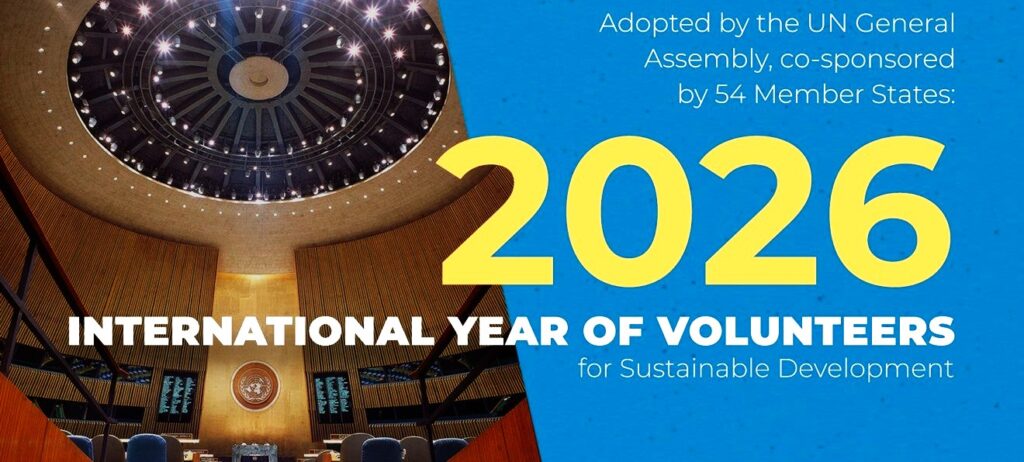
UN Would Be Making the Greatest Blunder If They Allow the Illegal President Bio, Mob Justice Wife & Girls’ Genital Mutilator Fatima Next Month
29 August 2026
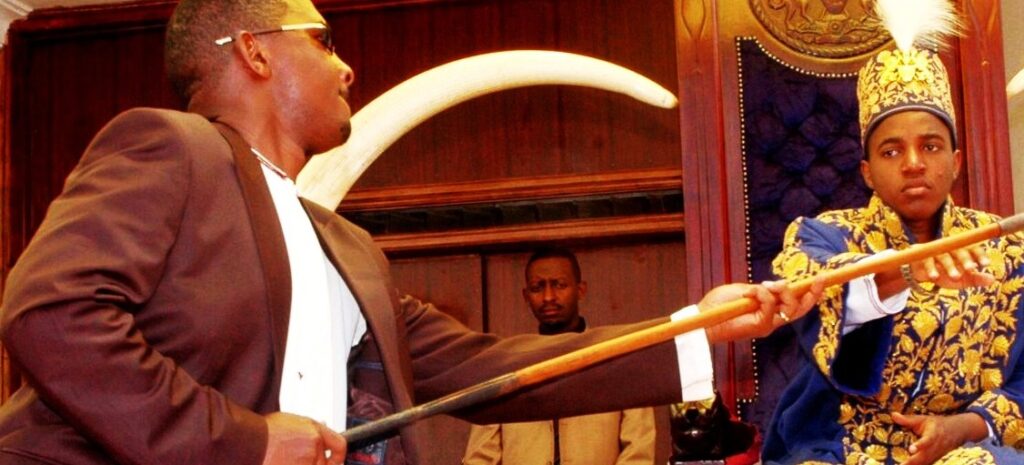
Ugandan Ruler Named World’s Youngest Monarch Died at Age 34; Oyo Nyimba Kabamba Iguru Rukidi IV, King of Tooro, was Crowned at 3 Years Old
28 August 2026
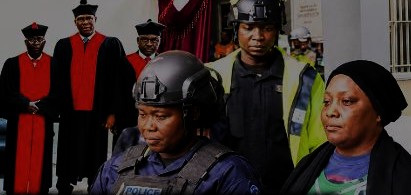
Liberia Indicts Bio’s Son-in-Law Bolle Jos & Accomplice Jewel Appears in Monrovia Court; Bio’s Secret Drug Smuggling Exposed in Overseas Flights
28 August 2026