
Countering the Counter Terrorism Proposed Law in Sierra Leone: Frequent Extremism Attacks in Nigeria, Mali, Burkina
Mohamed A Warisay USA
25 January 2025
Terrorism is a pressing concern in West Africa, with countries like Nigeria, Mali, and Burkina Faso experiencing frequent attacks from extremist groups.
Terrorism has become a pressing concern in West Africa, with countries like Nigeria, Mali, and Burkina Faso experiencing frequent attacks from extremist groups. In response, many West African nations have enacted counter-terrorism laws to combat this threat. (Photo: Bio and Juldeh are the terrorists).
However, the proposed counter-terrorism law in Sierra Leone raises concerns about its potential misuse, particularly under the current administration. The Maada Bio government has previously accused the main opposition APC party of terrorism, which has sparked fears that the proposed law could be used to silence political opponents.
This is not an unfounded concern, given the government’s history of using laws to target opposition members. For instance, the Sierra Leone cybercrime law has been used to prosecute political opponents, despite the country lacking the necessary infrastructure to justify and implement such a law.
Proponents of the counter-terrorism law may point to the Boko Haram threat to Sierra Leone some few years ago as a justification for its enactment. However, this argument is flawed, as the threat from Boko Haram is not unique to Sierra Leone, and the country’s security challenges require a more nuanced approach than a blanket counter-terrorism law.
In contrast, Western countries, like the United States and the United Kingdom, have enacted counter-terrorism laws in response to specific security threats. For example, the USA PATRIOT Act was passed in the aftermath of the 9/11 attacks, while the UK’s Terrorism Act 2000 was enacted in response to the threat from Irish republican groups.
However, these laws have been subject to intense scrutiny and debate, with many critics arguing that they infringe upon civil liberties in several ways. In Sierra Leone’s case, the proposed counter-terrorism law is particularly problematic given the country’s fragile democratic institutions and the government’s lack of transparency and accountability.
The law could be used to further entrench the ruling party’s power and suppress opposition voices. In conclusion, while the threat of terrorism is real, the proposed counter-terrorism law in Sierra Leone is misguided and potentially dangerous. The government’s track record of using laws to target opposition members, combined with the country’s lack of infrastructure and democratic institutions, makes it clear that this law would be used to further undermine democracy and silence dissenting voices.
Instead of rushing to enact a counter-terrorism law, the government should focus on addressing the root causes of insecurity and promoting transparency, accountability, and the rule of law. By Mohamed A Warisay USA Jan 24th, 2024.

Editorial
6 September 2026
UN Appearance Means Zero; The Bios’ Illegality Remains at the UN; Brutes Like Gaddafi Spoke at the UN; Next Minute He was Killed; Sierra Leoneans, Don’t Worry
6 September 2026
Commentary
6 September 2026
Marathon Race Ends Soon: New ECOWAS President General Diop from Senegal Takes Over from Gambian Traitor Touray; Real Work Began Yesterday
6 September 2026
Other News
7 November 2026
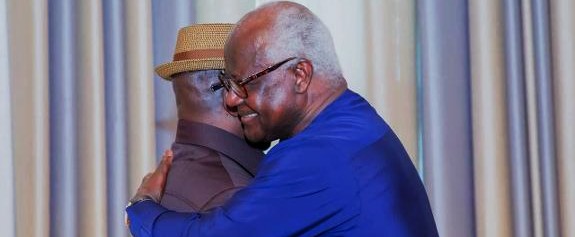
EBK U-Turn Is Not Sweet; Bintumani 4 Confab Plotted to Replace Tripartite, But After UNOWAS Talk, EBK Took the 2023 Side! Traitor EBK is Irrelevant Today
6 November 2026
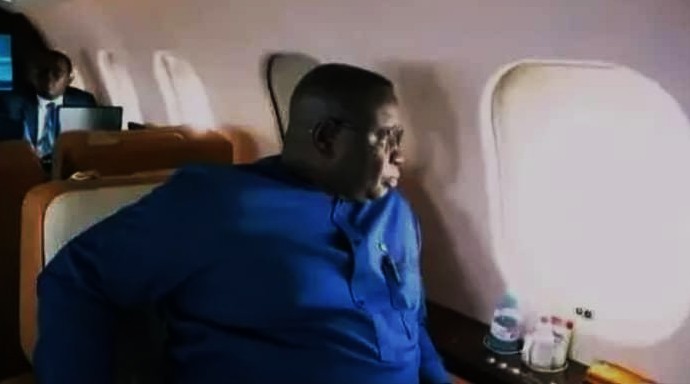
Bio Does Not Sleep Well in Sierra Leone! He Sleeps Like a Baby When He Travels Abroad; That’s One Main Reason Why Cocaine Bio Often Travels Abroad! Odd
5 November 2026
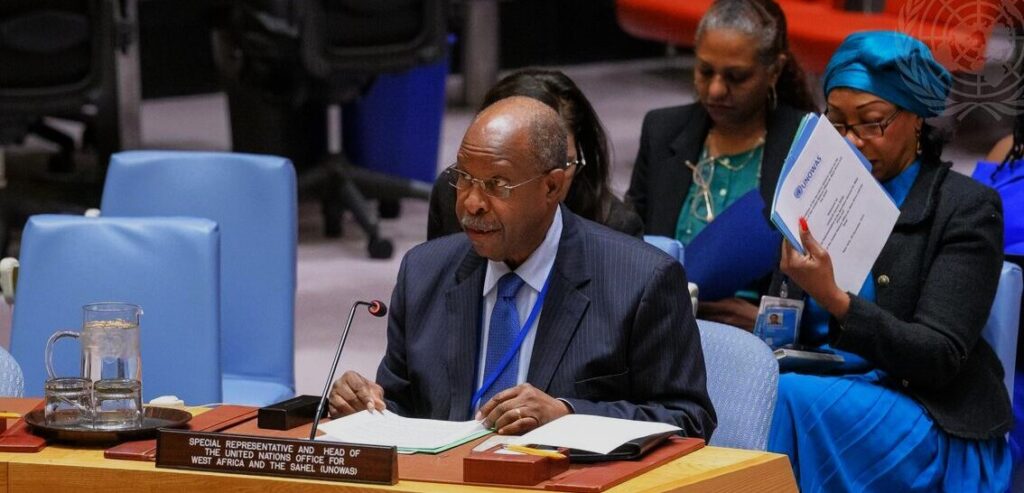
Tripartite is Alive & Kicking; Traitor EBK Suddenly Started Positive Tripartite Talk After Simão’s Photo Snub; Did Simão Change EBK? ECOWAS Envoys & EBK
4 November 2026