UNGA 81: Guinean President Mamady Doumbouya’s Self-Reliant Speech Strikingly Different from Many of the African Addresses in New York
Guinean President Doumbouya spoke at the United Nations General Assembly where he stated that African countries should learn to be self-reliant. Other African leaders spoke well.
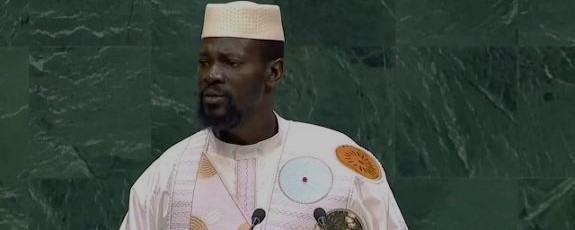
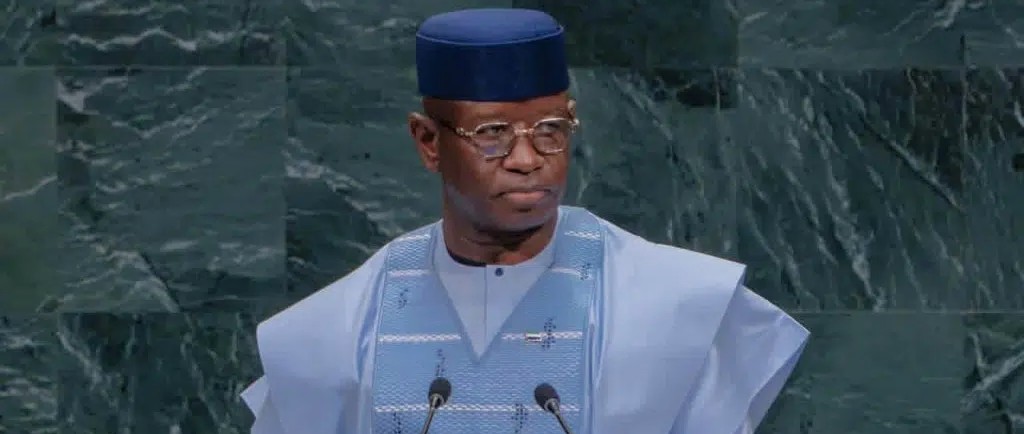
President Mamadi Doumbouya’s speech was strikingly different from many of the African speeches I have listened to today. Rather than centring his address on requests for international financing and assistance, he repeatedly emphasised self-reliance, sovereignty and what Guinea says it has accomplished using its own resources. Guinea says it financed its own elections. Doumbouya told the General Assembly that Guinea organised its presidential, legislative and communal elections and established its institutions with financing from its own treasury. (Photo: President Mamady Doumbouya of Guinea).
He said: “Based on our constitution, the Republic of Guinea organised entire direct presidential, legislative, communal elections and we’ve established all institutions which are entirely financed by our treasury.” Guinea says it organised those elections without outside assistance. He returned to the point later: “All of these elections were organised on our soil, without any assistance from any party whatsoever.” His argument was that an African country can use its own resources to organise what he described as credible, peaceful, and transparent elections.
Guinea says it has built more than 1,000 kilometres of roads. Doumbouya said: “We have paved more than a thousand kilometres of roads which have connected our regions.” He presented this as part of what Guinea has accomplished in less than three years. Guinea put the Simandou megaproject at the centre of its economic transformation. He described Simandou as “Africa’s largest mining and infrastructure project.” Simandou 2040 is also presented by Guinea’s government as a broader national development strategy built around the mining and infrastructure project, rather than simply a mining operation. (Simandou 2040).
Guinea wants to process its own minerals instead of simply exporting raw materials. Doumbouya pointed to: “Three aluminium refineries which are under construction as we seek to transform our bauxite on our own soil.” That emphasis on domestic mineral processing is consistent with the government’s stated policy of increasing local value addition from Guinea’s natural resources. (Présidence de la République de Guinée). Guinea says it has built schools and hospitals. He told the Assembly: “We have schools and hospitals that have been built throughout the Republic of Guinea.”
Guinea says it now has a major operational gold refinery. Doumbouya said: “We have Africa’s largest gold refinery, which is currently operational.” This was another example he offered to support his argument that Guinea is moving from exporting resources toward domestic transformation. Guinea presented a 15-year development strategy instead of an immediate appeal for outside assistance. Doumbouya described Simandou 2040 as: “A structural transformation initiative for our economy.” He said it extends beyond mining into infrastructure, agriculture, energy, education and health. Guinea says its youth must be trained for its own emerging economy. (Photo: President Doumbouya).
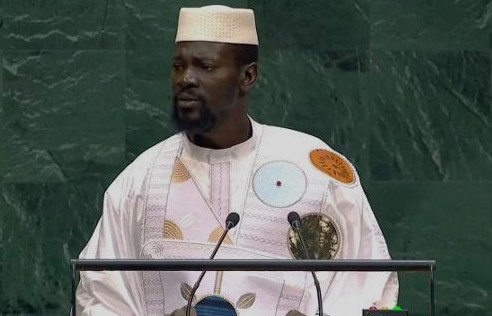
Doumbouya called young people Guinea’s “most valuable asset” and said they must receive quality education, labour-market training and opportunities for employment and entrepreneurship. His larger argument was that Africa should stop blindly importing governance models. This was perhaps the political centrepiece of the speech. Doumbouya said: “When governance models are tailored to reflect the historical, social, and cultural realities of each nation, rather than haphazardly being imposed, that is when development accelerates.”
He pointed to Asia and the Middle East as examples. According to Doumbouya: “They did not wait for an external model to be endorsed to become prosperous.” He argued that those countries learned from international experience but adapted it to their own national circumstances. He nevertheless rejected isolationism. Doumbouya made clear that self-reliance does not mean rejecting international cooperation. Instead, he called for: “Win-win partnership, partnership that is respectful of the sovereignty of each nation.” So Guinea’s message today was notably different in emphasis.
The speech was essentially: we organised and financed our own elections, we are building our own roads, we want to process our own bauxite, we are developing Simandou, we are investing in schools and hospitals, and we want partnerships that respect our sovereignty. Whether every achievement and characterisation presented in the speech withstands independent scrutiny is a separate question. These were Doumbouya’s claims before the General Assembly. But in terms of the message delivered from the podium, Guinea was not primarily presenting a list of requests for foreign financing. Doumbouya was making the case for African self-reliance, domestic resource mobilisation, local processing of natural resources, and international partnerships based on what he called “win-win collaboration.”
In his own words: “The Republic of Guinea is advancing, we are making headway by harnessing our own means, by capitalizing upon our own choices, for the benefit of our own people.” That was the central message of Guinea’s speech. Mamadi Doumbouya, President of the Republic of Guinea, addresses the General Debate of the 81st Session of the General Assembly of the United Nations (New York, 22 – 26 and 28 September 2026). World leaders will gather to engage in the annual high-level General Debate under the theme, “Better together: 81 years and more for peace, development and human rights”. The General Debate of the United Nations General Assembly is an opportunity for Heads of State and Government to come together at the UN Headquarters and discuss world issues.
Heads of State and Government and ministers will explore solutions to intertwined global challenges to advance peace, security, and sustainable development. The UN General Assembly (UNGA) is the Organisation’s main policy-making organ. Comprising all Member States, it provides a unique forum for a multilateral discussion of the full spectrum of international issues covered by the UN Charter. Each of the 193 Member States of the United Nations has an equal vote. The United Nations is an international organisation founded in 1945. Currently made up of 193 Member States, the UN and its work are guided by the purposes and principles contained in its founding Charter. Source: United Nations, New York. (Photo: President Mahama).
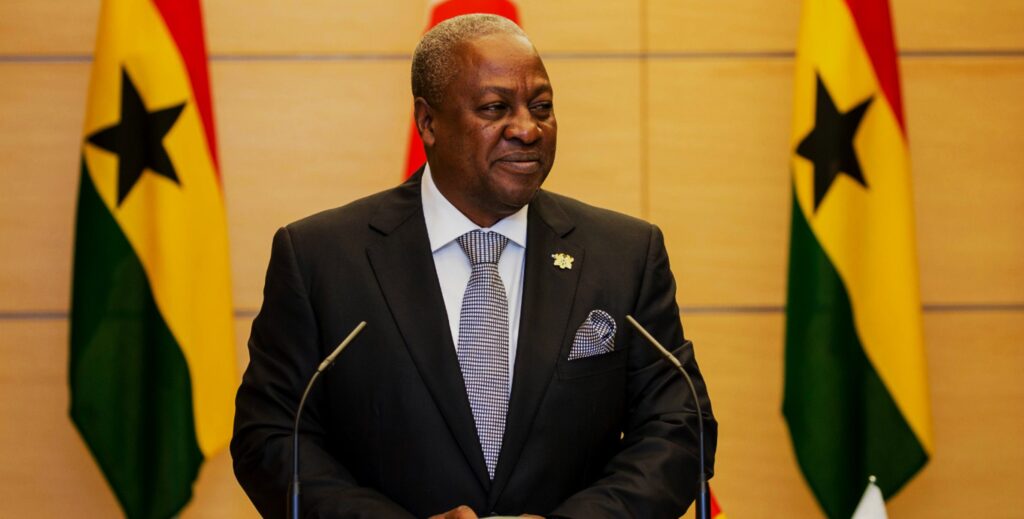
Ghana – President John Dramani Mahama at UNGA
President John Dramani Mahama pursued an especially broad economic and diplomatic programme. Key outcomes – Ghana–Kenya cooperation: Mahama and President William Ruto discussed expanding trade, regional security, diplomatic cooperation and Africa’s collective international voice.
U.S. investment: Ghana used UNGA to promote investment through a U.S.–Ghana Presidential Roundtable, while Mahama also rang the Nasdaq Closing Bell. Ghana highlighted manufacturing, Agro-processing, energy, technology, and health. Switzerland: Mahama discussed cooperation with Swiss President Guy Parmelin, including decentralisation and the use of AI to improve domestic revenue mobilisation.
International finance: Mahama met Queen Máxima in her UN financial-health role and discussed issues connected to financial inclusion. Accra Reset: Ghana hosted a major UNGA side event promoting reform of global development and greater African financial self-reliance.
Reparatory justice: Ghana also hosted a high-level event on moving from commitments on reparatory justice toward practical cooperation concerning the return and restitution of cultural property. African agenda: Mahama stated that Ghana’s upcoming AU chairmanship would be used to promote continental integration, implementation of AfCFTA, peace and security. Main gain: combining investment diplomacy, African economic reform, U.S. business engagement and continental leadership.
Liberia – President Joseph Nyuma Boakai UNGA
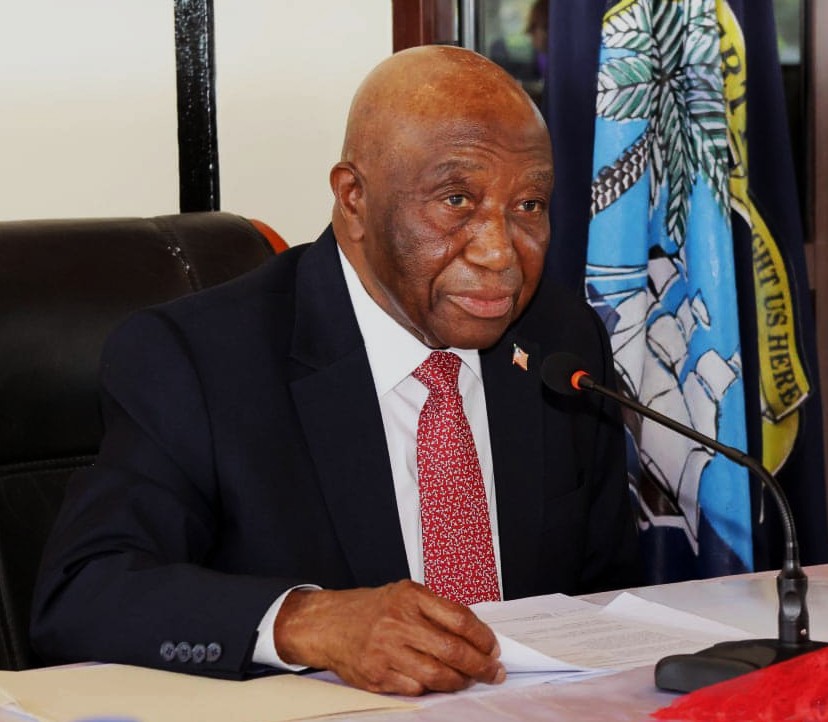
President Joseph Nyuma Boakai used the UNGA period to strengthen Liberia’s U.S. relationship, development diplomacy, and international partnerships. Key outcomes – U.S .-Liberia relations: Boakai held meetings on Capitol Hill with senior members of the U.S. House Foreign Affairs Committee, including Chairman Brian Mast and Ranking Member Gregory Meeks, focused on strengthening bilateral relations. (Photo: President Boakai).
Liberian Embassy USA +1 Women, Peace and Security: Liberia launched its Third National Action Plan on Women, Peace and Security during the UNGA period. Development diplomacy: Boakai’s UNGA programme was designed to advance Liberia’s development priorities and attract international support and partnerships.
Liberian Embassy USA – African cooperation: Liberia participated in high-level discussions with other African governments, including Ghana, around historical justice and African cultural heritage. Main gain: stronger engagement with the United States and international development partners, alongside a new national women-and-peace framework.
Senegal – President Bassirou Diomaye Faye UNGA
President Bassirou Diomaye Faye used UNGA 81 to deepen Senegal’s relationships with the European Union and other international partners. EU–Senegal engagement – One of the clearest diplomatic outcomes was Faye’s meeting with António Costa, President of the European Council, in New York. The discussions included:
- fishing;
- migration;
- renewable energy;
- health;
- transport;
- water and sanitation;
- employment for young people and women;
- Sahel security; and
European support for African peace and counter-terrorism initiatives. Faye also reaffirmed Senegal’s willingness to continue a dialogue with the EU on fishing and migration, while stressing cooperation on development and security. Other diplomatic gains. (Photo: President Faye).
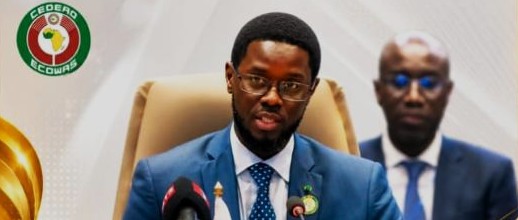
- Faye continued Senegal’s bilateral engagement with other international partners during the UNGA week.
- Senegal strengthened its position as a partner in discussions concerning Sahel security, migration, energy, and sustainable development.
- Main gain: a high-level Senegal–EU political dialogue covering migration, fishing, energy, development and regional security.
Kenya – President William Ruto UNGA
President William Ruto used UNGA 81 heavily for investment mobilisation and reform of global financial governance. Key outcomes – International financial reform: Kenya placed debt sustainability, climate finance, digital trade and regional security at the centre of its UNGA agenda.
- Investment: Ruto promoted major investment opportunities, including the proposed Lamu refinery, with the government describing the UNGA engagements as producing new investment, technology, trade and employment opportunities.
- Kenya–UN–Equity Group: Kenya, the UN and Equity Group signed an agreement aimed at increasing diaspora investment, skills transfer and support for MSMEs
- Ghana: Ruto’s meeting with Mahama strengthened discussions on trade, investment, regional security and Africa’s collective voice.
- Multilateral reform: Ruto continued advocating greater African representation and reforms to global institutions and international finance.
- Technology: Kenya also brought AI governance and digital infrastructure into its UNGA agenda.
- Main gain: converting UNGA diplomacy into investment, diaspora finance, technology and international financial reform initiatives. (Photo: President Ruto met with US Secretary of State Marco Rubio).
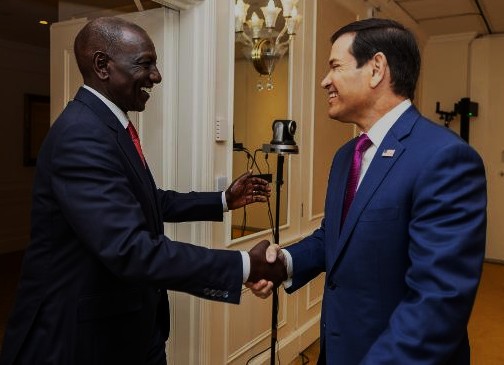
Libyan President Younis Menfi
Mohamed Younis Menfi, President of the Presidential Council of the State of Libya, addresses the General Debate of the 81st Session of the General Assembly of the United Nations (New York, 22 – 26 and 28 September 2026). World leaders will gather to engage in the annual high-level General Debate under the theme, “Better together: 81 years and more for peace, development and human rights”.
The General Debate of the United Nations General Assembly is the opportunity for Heads of State and Government to come together at the UN Headquarters and discuss world issues. Heads of State and Government and ministers will explore solutions to intertwined global challenges to advance peace, security, and sustainable development.
The UN General Assembly (UNGA) is the main policy-making organ of the Organisation. Comprising all Member States, it provides a unique forum for a multilateral discussion of the full spectrum of international issues covered by the Charter of the United Nations. Each of the 193 Member States of the United Nations has an equal vote.
The United Nations is an international organisation founded in 1945. Currently made up of 193 Member States, the UN and its work are guided by the purposes and principles contained in its founding Charter. Source: United Nations, New York
Central African Republic President Faustin Touadera
Faustin Archange Touadera, Head of State of the Central African Republic, addresses the General Debate of the 81st Session of the General Assembly of the United Nations (New York, 22 – 26 and 28 September 2026). World leaders will gather to engage in the annual high-level General Debate under the theme, “Better together: 81 years and more for peace, development and human rights”.
The General Debate of the United Nations General Assembly is an opportunity for Heads of State and Government to come together at the UN Headquarters and discuss world issues. Heads of State and Government and ministers will explore solutions to intertwined global challenges to advance peace, security, and sustainable development.
The UN General Assembly (UNGA) is the Organisation’s main policy-making organ. Comprising all Member States, it provides a unique forum for multilateral discussion of the full spectrum of international issues covered by the UN Charter. Each of the 193 Member States of the United Nations has an equal vote.
The United Nations is an international organisation founded in 1945. Currently made up of 193 Member States, the UN and its work are guided by the purposes and principles contained in its founding Charter. Source: United Nations, New York. (Photo: UN Boss Antonio Guterres).
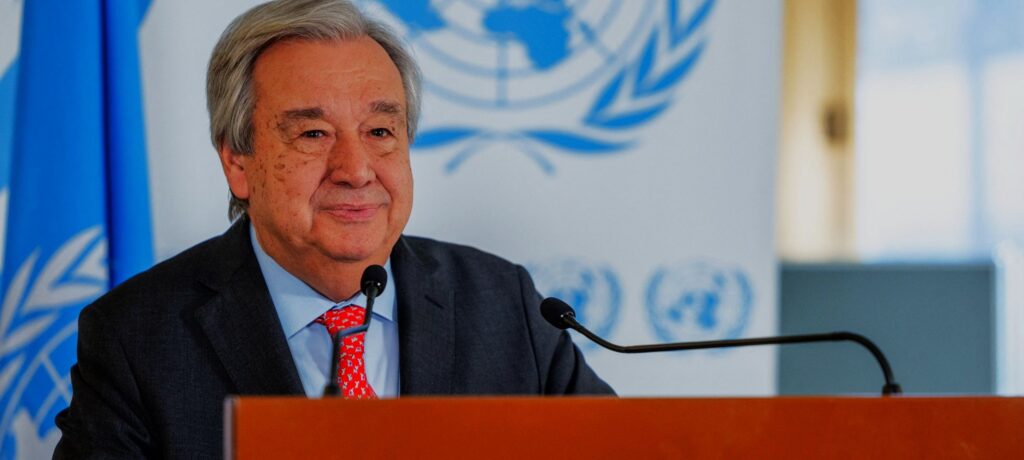
Moroccan Minister of Foreign Affairs Nasser Bourita
Nasser Bourita, Minister of Foreign Affairs, African Cooperation and Moroccans Abroad, addressed the General Debate of the 81st Session of the General Assembly of the United Nations (New York, 22 – 26 and 28 September 2026). World leaders will gather to engage in the annual high-level General Debate under the theme, “Better together: 81 years and more for peace, development and human rights”.
The General Debate of the United Nations General Assembly is an opportunity for Heads of State and Government to come together at the UN Headquarters and discuss world issues. Heads of State and Government and ministers will explore solutions to intertwined global challenges to advance peace, security, and sustainable development.
The UN General Assembly (UNGA) is the main policy-making organ of the Organization. Comprising all Member States, it provides a unique forum for a multilateral discussion of the full spectrum of international issues covered by the Charter of the United Nations. Each of the 193 Member States of the United Nations has an equal vote.
The United Nations is an international organisation founded in 1945. Currently made up of 193 Member States, the UN and its work are guided by the purposes and principles contained in its founding Charter. Source: United Nations, New York
Vice President of Tanzania Ndejembi
Deogratius Ndejembi, Vice President of the United Republic of Tanzania, addresses the General Debate of the 81st Session of the General Assembly of the United Nations (New York, 22 – 26 and 28 September 2026). World leaders will gather to engage in the annual high-level General Debate under the theme, “Better together: 81 years and more for peace, development and human rights”.
The General Debate of the United Nations General Assembly is an opportunity for Heads of State and Government to come together at the UN Headquarters and discuss world issues. Heads of State and Government and ministers will explore solutions to intertwined global challenges to advance peace, security, and sustainable development.
The UN General Assembly (UNGA) is the Organisation’s main policy-making organ. Comprising all Member States, it provides a unique forum for multilateral discussion of the full spectrum of international issues covered by the UN Charter. Each of the 193 Member States of the United Nations has an equal vote.
The United Nations is an international organisation founded in 1945. Currently made up of 193 Member States, the UN and its work are guided by the purposes and principles contained in its founding Charter. Source: United Nations, New York
President of the Federal Democratic Republic of Ethiopia Taye Amde
Taye Atskeselassie Amde, President of the Federal Democratic Republic of Ethiopia, addresses the General Debate of the 81st Session of the General Assembly of the United Nations (New York, 22 – 26 and 28 September 2026). World leaders will gather to engage in the annual high-level General Debate under the theme, “Better together: 81 years and more for peace, development and human rights”.
The General Debate of the United Nations General Assembly is an opportunity for Heads of State and Government to come together at the UN Headquarters and discuss world issues. Heads of State and Government and ministers will explore solutions to intertwined global challenges to advance peace, security, and sustainable development.
The UN General Assembly (UNGA) is the Organisation’s main policy-making organ. Comprising all Member States, it provides a unique forum for multilateral discussion of the full spectrum of international issues covered by the UN Charter. Each of the 193 Member States of the United Nations has an equal vote.
The United Nations is an international organisation founded in 1945. Currently made up of 193 Member States, the UN and its work are guided by the purposes and principles contained in its founding Charter. Source: United Nations, New York. (Photo: Trump at the UNGA 81).
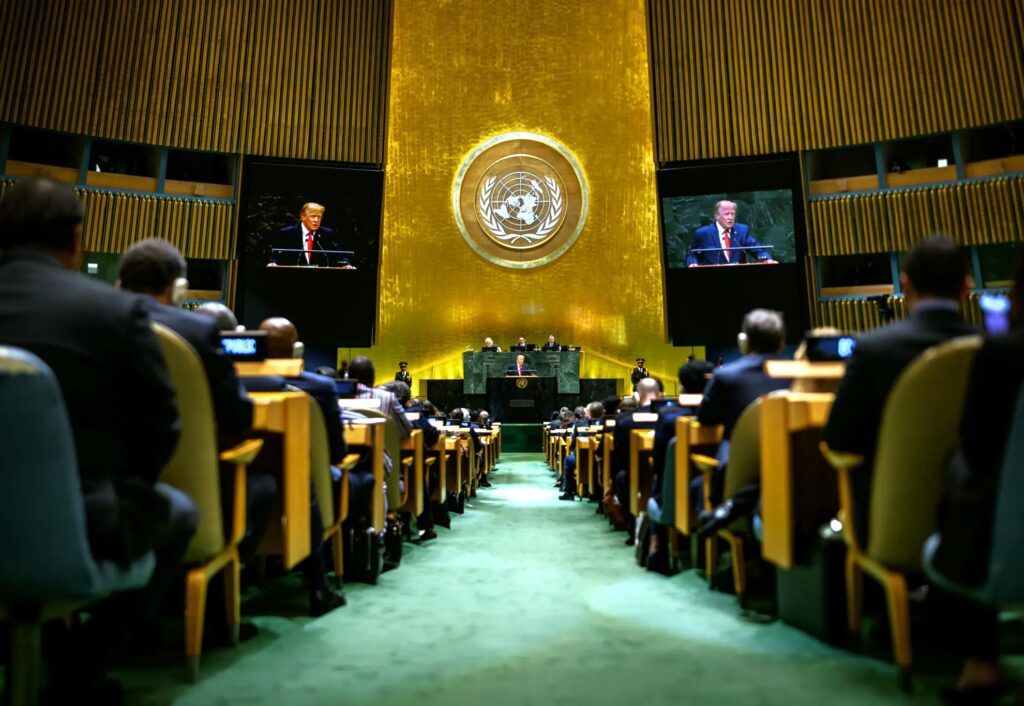
President of the Republic of Seychelles, Mathew Herminie
Mathew Antonio Patrick Herminie, President of the Republic of Seychelles, addresses the General Debate of the 81st Session of the General Assembly of the United Nations (New York, 22 – 26 and 28 September 2026). World leaders will gather to engage in the annual high-level General Debate under the theme, “Better together: 81 years and more for peace, development and human rights”.
The General Debate of the United Nations General Assembly is an opportunity for Heads of State and Government to come together at the UN Headquarters and discuss world issues. Heads of State and Government and ministers will explore solutions to intertwined global challenges to advance peace, security, and sustainable development.
The UN General Assembly (UNGA) is the Organisation’s main policy-making organ. Comprising all Member States, it provides a unique forum for multilateral discussion of the full spectrum of international issues covered by the UN Charter. Each of the 193 Member States of the United Nations has an equal vote.
The United Nations is an international organisation founded in 1945. Currently made up of 193 Member States, the UN and its work are guided by the purposes and principles contained in its founding Charter. Source: United Nations, New York
President of the Republic of Botswana, Duma Boko
Duma Gideon Boko, President of the Republic of Botswana, addresses the General Debate of the 81st Session of the General Assembly of the United Nations (New York, 22 – 26 and 28 September 2026). World leaders will gather to engage in the annual high-level General Debate under the theme, “Better together: 81 years and more for peace, development and human rights”.
The General Debate of the United Nations General Assembly is an opportunity for Heads of State and Government to come together at the UN Headquarters and discuss world issues. Heads of State and Government and ministers will explore solutions to intertwined global challenges to advance peace, security, and sustainable development.
The UN General Assembly (UNGA) is the Organisation’s main policy-making organ. Comprising all Member States, it provides a unique forum for multilateral discussion of the full spectrum of international issues covered by the UN Charter. Each of the 193 Member States of the United Nations has an equal vote.
The United Nations is an international organisation founded in 1945. Currently made up of 193 Member States, the UN and its work are guided by the purposes and principles contained in its founding Charter. Source: United Nations, New York

Editorial
6 September 2026
UN Appearance Means Zero; The Bios’ Illegality Remains at the UN; Brutes Like Gaddafi Spoke at the UN; Next Minute He was Killed; Sierra Leoneans, Don’t Worry
6 September 2026
Commentary
6 September 2026
Marathon Race Ends Soon: New ECOWAS President General Diop from Senegal Takes Over from Gambian Traitor Touray; Real Work Began Yesterday
6 September 2026
Other News
25 September 2026
Stalker Bio Upset: No Photo for Bio with Trump at UN; Pressure Mounts on Bio; Light on the Horizon; Many African Leaders Have Photos with Trump
25 September 2026
UNGA 81: Guinean President Mamady Doumbouya’s Self-Reliant Speech Strikingly Different from Many of the African Addresses in New York
24 September 2026
Shameless Bio’s Hypocritical UN Speech; He Said the Opposite of Reality in Sierra Leone; Even World Leaders Know He is Two-Tongued; Power Transfer is Closer
23 September 2026